What's That Beat is a weekly crate dig — twelve slept-on albums, pulled from the bins and written up every Thursday.
Each record comes with a few lines on why it earns a spin. Find one that sounds like you, hit play, and stash the keepers in your crate.
Filter12 of 12
Diamond D
Stunts, Blunts & Hip Hop
1992
No. 01
Stunts, Blunts & Hip Hop
Diamond D
Hip Hop
Diamond D produced half the Golden Era and this is his own showcase record, loops stacked thick and swinging. "Best Kept Secret" is the one that gets reloaded — that flute line is pure Bronx heat. The skits drag a bit in the middle, but "Sally Got a One Track Mind" snaps you back. This is the sound D.I.T.C. built a whole sub-scene out of.
No. 02
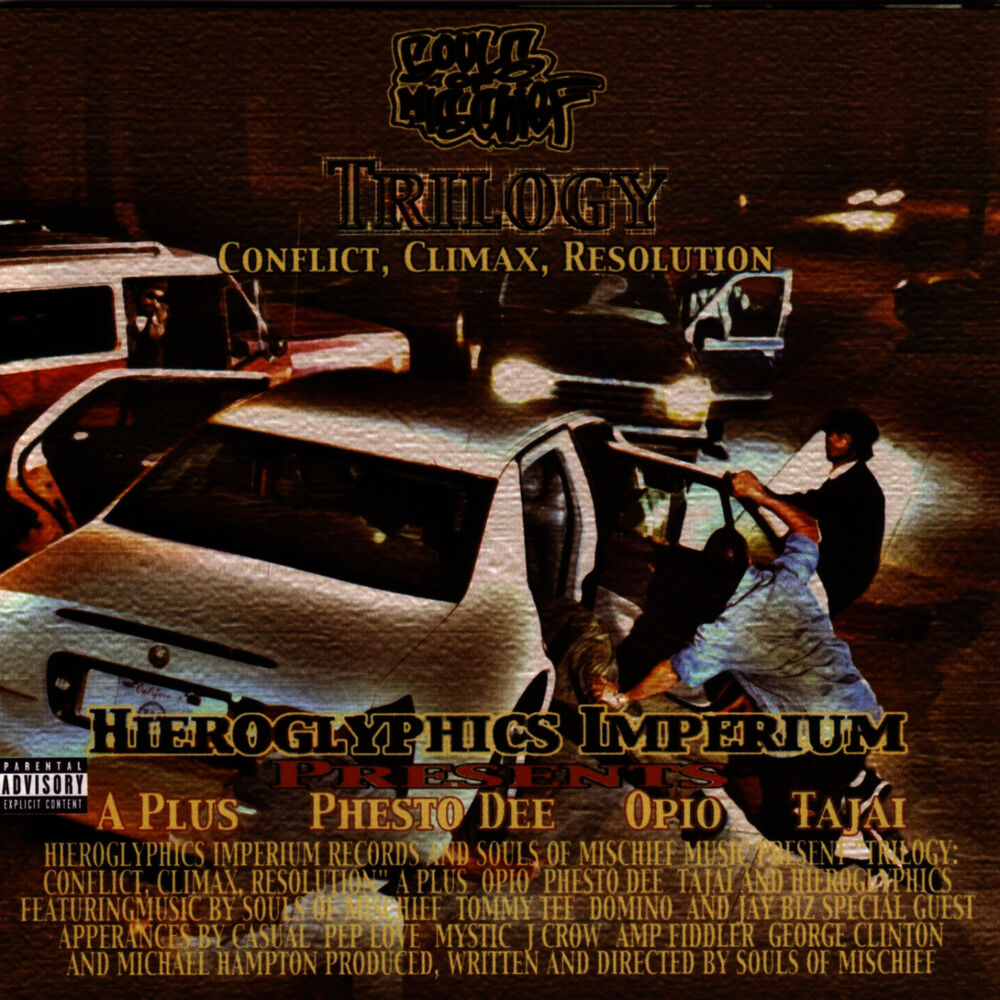
Trilogy: Conflict, Climax, Resolution
Souls of Mischief
Hip Hop
Eighteen tracks split into three acts, which is a bold structure for a rap album and mostly it pays off. "Danglin'" and "4th Floor Freaks" carry the back half once the concept risks running thin. It's denser and moodier than 93 'til Infinity, more boom-bap grind than summer jam. Hieroglyphics heads will clock the chemistry instantly; everyone else should start with "Trilogy" and work backward.

No. 03
Beauty and the Beat
Edan
Hip Hop
Nobody else was making rap records like this in 2005 — psychedelic loops, phased vocals, guitar fuzz bleeding into the drums. "Funky Voltron" is the one that gets played out, but "Torture Chamber" with Percee P is the actual rap clinic here. It's short, barely thirty minutes, and every second is deliberate. Skip nothing — this is the whole mood, start to finish.

No. 04
Champion Sound
Jaylib
Hip Hop
Dilla and Madlib trading beats back and forth, and you can hear each one trying to out-weird the other. "The Red" remix is the standout, that bassline just refuses to sit still. "McNasty Filth" is grimier, almost sloppy on purpose. Nineteen tracks is a lot, some of it filler, but when it clicks — like on "React" — nothing else sounds like it.

No. 05
In a Space Outta Sound
Nightmares on Wax
Trip-Hop
This is a headphones-on-the-bus record, built slow and thick like the bass is the only thing holding the song together. Passion opens it right — a sub-bass crawl that takes its time — but Damn is the one that actually moves, drums pushed up front for once. Skip nothing, but don't expect a lot of peaks and valleys. George Evelyn just sits in the pocket and lets it breathe.

No. 06
Captain Marvel
Stan Getz
Jazz
Chick Corea, Stanley Clarke, Tony Williams, and Airto backing Getz — that's a rhythm section most records would kill for. "La Fiesta" opens things at a sprint and never really lets up. "Times Lie" is the one where Corea's comping does half the work. If you only know Getz from the bossa nova records, this one hits completely different — harder, faster, more electric even without plugging in.

No. 07
Pressure Sensitive
Ronnie Laws
Jazz-Funk
"Always There" is the reason this record gets dug out of crates — that sax hook got sampled into oblivion for a reason. The rest leans harder into funk than straight jazz, which makes sense given Laws came up through Earth, Wind & Fire's orbit. "Tidal Wave" has the deepest groove on the record, bass way up front. It's a short record but there's not a weak cut on it.

No. 08
Head On
Bobby Hutcherson
Jazz
Only four tracks, and the title suite eats up almost half the runtime, shifting through three movements without ever settling into a groove you'd call comfortable. "Mtume" is the percussion showcase — dense, almost chaotic, and all the better for it. This is Hutcherson at his most avant, more spiritual jazz than vibraphone showcase. Patience required, but "Clockwork of the Spirits" closes it out with real tension.

No. 09
Two Sevens Clash
Culture
Reggae
The title track predicted chaos for July 7, 1977, and Kingston reportedly stayed indoors that day waiting to see if Joseph Hill was right. That's the legend; the music backs it up regardless. "Black Starliner Must Come" and "Natty Dread Taking Over" carry the Rasta repatriation themes the whole record is built on. Joe Gibbs' production is crisp, the harmonies are tight — this is roots reggae at its most focused.
No. 10
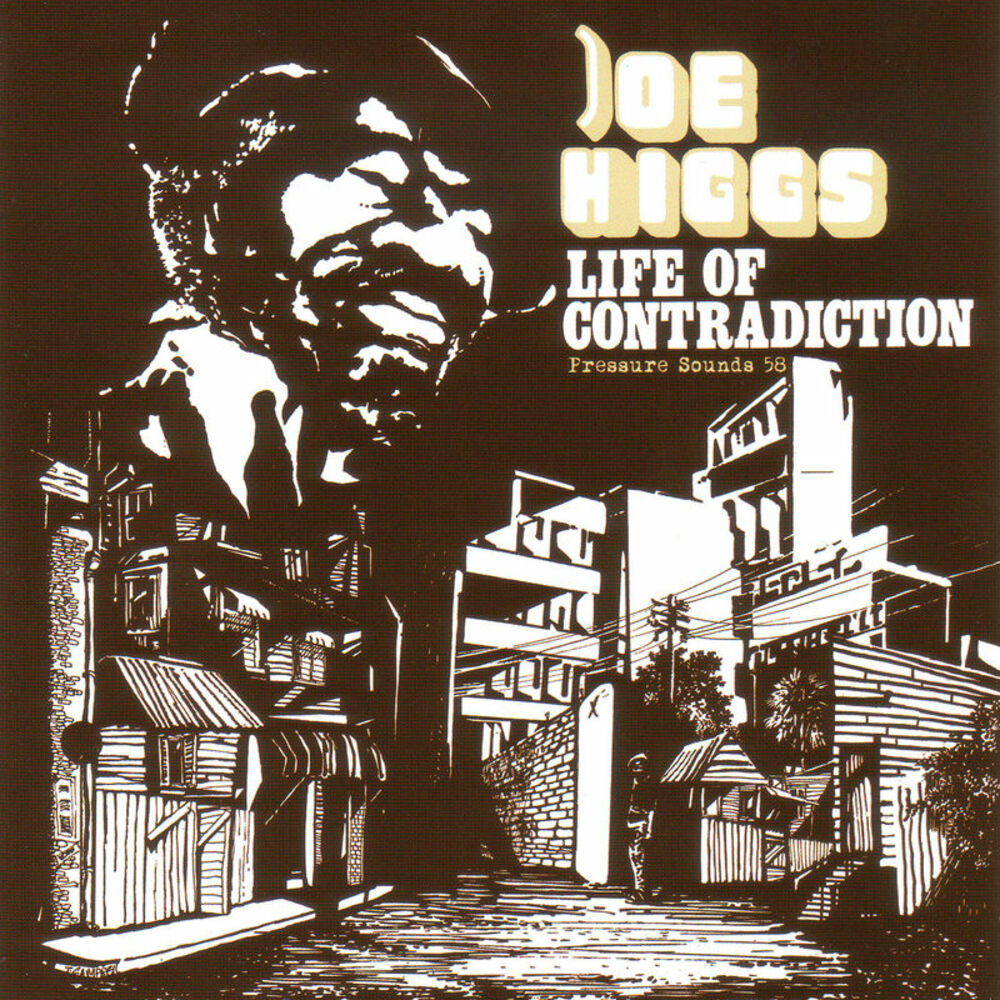
Life of Contradiction
Joe Higgs
Reggae
Higgs taught Bob Marley and the Wailers how to harmonize, and you can hear that teacher's instinct in his own phrasing here — patient, unhurried, never oversung. This one got buried under bigger names on bigger labels the same year. The vocal control is the whole draw; he's not chasing a hook, he's sitting inside the song. Deep cut for anyone who thinks they've heard all the 70s roots canon already.

No. 11
Slaves Mass
Hermeto Pascoal
Jazz
Pigs squeal on the title track and somehow it still swings — that's Hermeto for you. This one got buried under bigger fusion names in '77 because nobody in the US knew what shelf to put it on. Cannon is the tribute cut and the warmest thing here, but Cherry Jam is where the band actually stretches out and you hear how loose and weird the arrangements get. Not background music, not even close.

No. 12
The Main Event
Fingathing
Trip-Hop
Instrumental hip hop with a live upright bass instead of a sampled one, which gives the whole record a different kind of low end — woody, elastic, real fingers on real strings. "Come On Girls" and "How to Smoke" ride that bass hardest. Liverpool isn't a city you associate with this sound at all, which is probably why it never traveled far. "Ffling" near the end is the one that should've been the single.
Use the arrows above (or ← → keys) to browse previous weeks' selections
Follow along with the RSS feed, or bookmark the archive — the next twelve land every Thursday.